DID YOU HEAR THIS, ELEVEN LIONS POISONED IN UGANDA
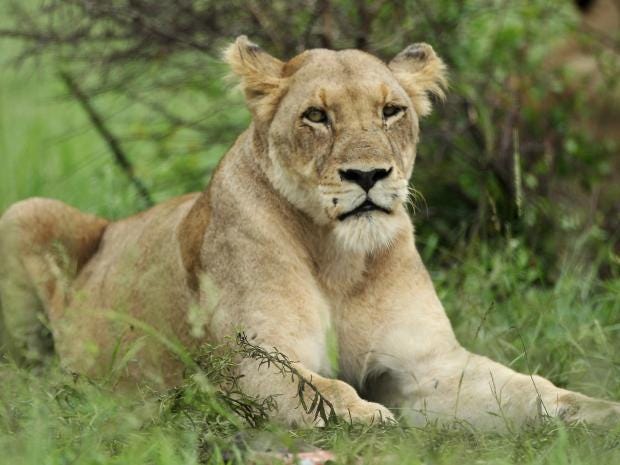
Following a report from Uganda national wild life authority, eleven lions have been poisoned at Queen Elizabeth national park and it is evidenced by a report that most of the residents have been complaining about the lions feeding on their domestic animals. Three lioness and nine cubs were reported killed. This is very damaging because the queen Elizabeth national is now short of lions and this will affect Uganda and East Africa in the tourism sector.
For more information, visit https://www.independent.co.uk/news/world/africa/uganda-lions-killed-poisoning-queen-elizabeth-national-park-wildlife-protection-investigation-a8302606.html.
The lioness and the cubs were found dead in the South western part of Uganda and who could be behind the killing of such wild animals. The government of Uganda should then with immediate effect take action by arresting the culprits and also should educate the community about the value of the wild animals. The lions are very attractive in the tourism sector and this puts Uganda at a greater threat in the international market.
Wild animals are a natural blessing to every economy that we have to work tirelessly to ensure that we preserve them and keep them from harm, from both locals and strangers.
The international community should take keen attention to ensure every wild animal is protected, Uganda has very rare animals and birds, for example the crested cranes can not be compromised, we need to guard them against any form of extinction.
The wild life authority told the independent that they will do much investigation and research deep into the type of poison used , this will be followed by the identification, arrest and prosecution of the people involved in the act.
Richard Kamara, a ranger working with the wild life authority posted on facebook that the solution to this problem would be that all families having domestic animals and living within the park must not have domestic animals or they should be relocated to other areas.
Mark Jones an associate director of the Born Free Foundation in the UK said that Uganan lions face an uncertain future and can not withstand these kinds of incidents.
To conclude as a patriotic citizen,
God save Uganda, God save wildlife.
Apil simon
For more information, visit https://www.independent.co.uk/news/world/africa/uganda-lions-killed-poisoning-queen-elizabeth-national-park-wildlife-protection-investigation-a8302606.html.
The lioness and the cubs were found dead in the South western part of Uganda and who could be behind the killing of such wild animals. The government of Uganda should then with immediate effect take action by arresting the culprits and also should educate the community about the value of the wild animals. The lions are very attractive in the tourism sector and this puts Uganda at a greater threat in the international market.
Wild animals are a natural blessing to every economy that we have to work tirelessly to ensure that we preserve them and keep them from harm, from both locals and strangers.
The international community should take keen attention to ensure every wild animal is protected, Uganda has very rare animals and birds, for example the crested cranes can not be compromised, we need to guard them against any form of extinction.
The wild life authority told the independent that they will do much investigation and research deep into the type of poison used , this will be followed by the identification, arrest and prosecution of the people involved in the act.
Richard Kamara, a ranger working with the wild life authority posted on facebook that the solution to this problem would be that all families having domestic animals and living within the park must not have domestic animals or they should be relocated to other areas.
Mark Jones an associate director of the Born Free Foundation in the UK said that Uganan lions face an uncertain future and can not withstand these kinds of incidents.
To conclude as a patriotic citizen,
God save Uganda, God save wildlife.
Apil simon


Comments
Post a Comment